If you picture beach living as a year-round lifestyle instead of a summer postcard, Scarborough deserves a close look. You may be drawn to the shoreline, but what often keeps people here is the mix of beaches, marshland, neighborhood character, and everyday convenience. If you are thinking about living near the water in Southern Maine, this guide will help you understand what beach life in Scarborough really looks like and what tradeoffs to expect. Let’s dive in.
Why Scarborough Beach Living Stands Out
Scarborough sits about 7 miles south of the Portland metro area, but it does not feel like a dense coastal city. The town describes itself as a landscape of farmland, marsh, coastline, neighborhoods, and forest, with Route 1 serving as the main commuting and amenity corridor.
That matters if you want beach access without giving up day-to-day practicality. Living near the beaches in Scarborough often feels more village-based and residential than urban, with distinct neighborhood areas like Pine Point, Higgins Beach, Black Point, Prouts Neck, Blue Point, Dunstan, and Oak Hill shaping the town’s identity.
Another big part of the picture is Scarborough Marsh. According to the town’s comprehensive plan, the marsh is central to Scarborough’s identity, and future land use is meant to protect it and other natural resources. In practical terms, that means coastal living here is closely tied to conservation, wildlife, and managed public access.
Scarborough’s Beach Areas at a Glance
Scarborough is home to four beaches, but they are not all managed the same way. The town identifies Higgins Beach, Pine Point, Ferry Beach, and Scarborough Beach State Park as part of its shoreline, but the town beach pass covers only the three town-operated beaches, not the state park.
For residents, that means it is worth understanding each beach on its own terms. The experience can vary quite a bit depending on whether you want walkable neighborhood charm, a wider sandy stretch, or easier access to calmer water.
Higgins Beach Feel
Higgins Beach is known for its sandy shoreline and older residential setting. The town describes it as a quaint neighborhood dating back to the late 1800s, which gives the area a distinct historic coastal feel.
It is also one of the more access-managed beach areas in town. Public access exists, but parking is very limited, and in summer the town allows one-hour metered parking only along Bayview Avenue. If you want to live nearby, that limited parking can make being able to walk to the beach especially valuable.
Pine Point Feel
Pine Point offers a long sandy beach on Saco Bay that stretches toward Old Orchard Beach. Compared with Ferry Beach, the town says Pine Point tends to have more wave action, and it is raked weekly in the summer.
Pine Point also has a working-waterfront character that sets it apart. The Scarborough River empties into Pine Point Harbor, which serves as a year-round home to a commercial fishing fleet and a seasonal port for recreational vessels. That combination gives the area a harbor-and-beach identity rather than a purely resort feel.
Ferry Beach Feel
Ferry Beach sits along the Scarborough River channel and tends to offer a calmer experience. The town notes that it has gentler waves and shallower water at low tide, which can shape how you use the shoreline day to day.
If your idea of coastal living includes easier-going beach time and access to the river setting, Ferry Beach may appeal to you. It still comes with the same managed beach systems that define Scarborough, but the atmosphere is a little different from Pine Point or Higgins.
Scarborough Beach State Park
Scarborough Beach State Park is part of the local shoreline story, but it operates separately from the town beaches. That distinction is important because access, rules, and parking are not part of the town beach pass system.
If you are comparing neighborhoods near the beach, it helps to know whether your routine would center on a town-operated beach or the state park. That simple detail can affect convenience and expectations during the busy season.
What Daily Life Near the Beaches Looks Like
Beach living in Scarborough is not just about ocean views. It is about how the shoreline fits into your normal week, from morning walks to paddle outings to seasonal routines around parking, beach hours, and conservation rules.
The town’s beach season for 2026 runs from May 22 through September 7, and beaches operate daily from 7:00 am to 5:30 pm for parking enforcement and restroom access. Paid parking is required at the beach lots, and larger vehicles such as buses are limited to Pine Point when space permits.
This tells you something important about living here. Beach access is very doable, but it is actively managed, especially in the warmer months. If you are used to the idea of open, unlimited coastal access, Scarborough may feel more structured than expected.
Marsh, Trails, and Outdoor Access
One of the best parts of living near the beaches in Scarborough is that your outdoor life is not limited to the sand. Scarborough Marsh is a major part of the local lifestyle, and it gives the town a broader coastal feel than a simple beach map might suggest.
Maine Audubon describes the Scarborough Marsh Audubon Center as a place to explore Maine’s largest salt marsh by foot, canoe, or kayak, with guided and self-guided tours, exhibits, a nature trail, and canoe and kayak rentals. The Scarborough Land Trust also identifies the marsh as Maine’s largest saltmarsh and notes ongoing restoration and protection work involving more than 20 organizations.
That conservation focus carries into the town’s broader recreation system. Scarborough says it has an extensive trail network, parks, recreation areas, playgrounds, natural spaces, and even winter skating ponds. Seasonal kayak storage at Pine Point, Ferry Beach, and a boat launch also shows how paddling is built into everyday coastal life here.
Neighborhood Character Near the Water
Scarborough’s coastal neighborhoods are not one-size-fits-all. Instead of a single downtown beach district, you will find a collection of neighborhood areas with different histories, housing patterns, and daily rhythms.
Higgins Beach stands out for its older residential roots, while Pine Point blends beach life with harbor activity and a long history tied to clamming, fishing, and resort use. Prouts Neck is described by Scarborough Historical Society material as a longstanding summer community of roughly one hundred cottages.
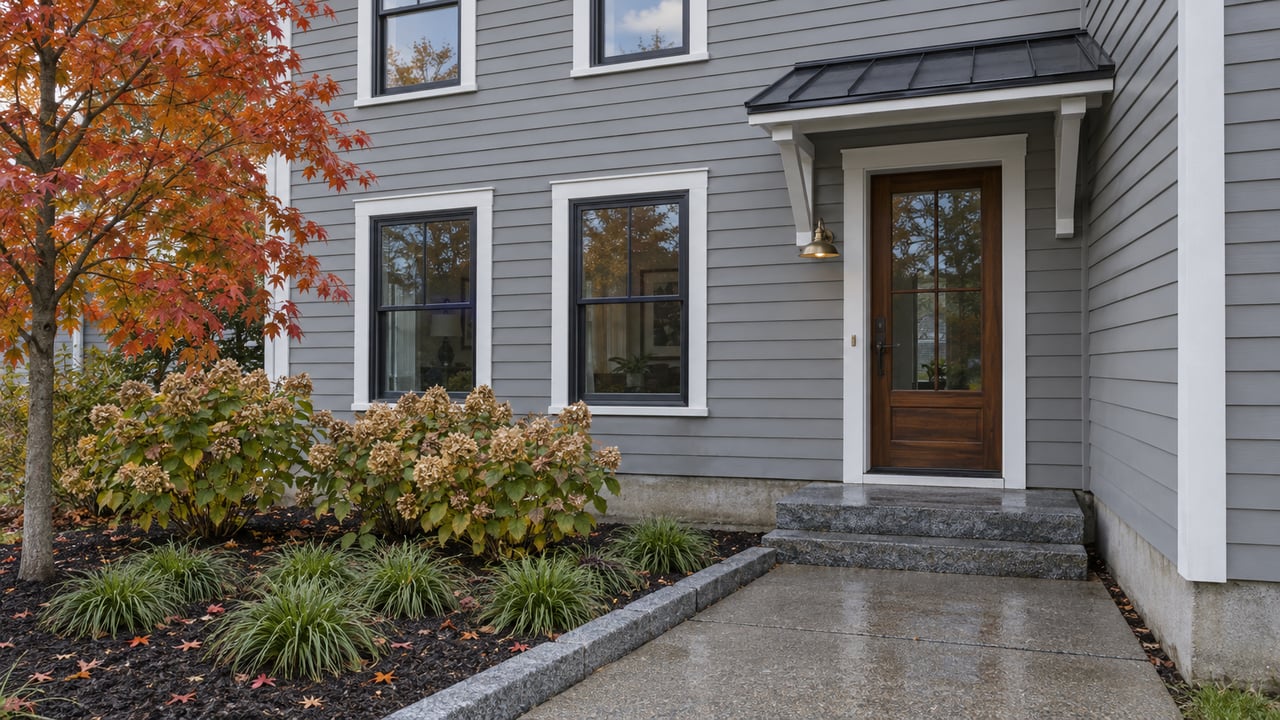
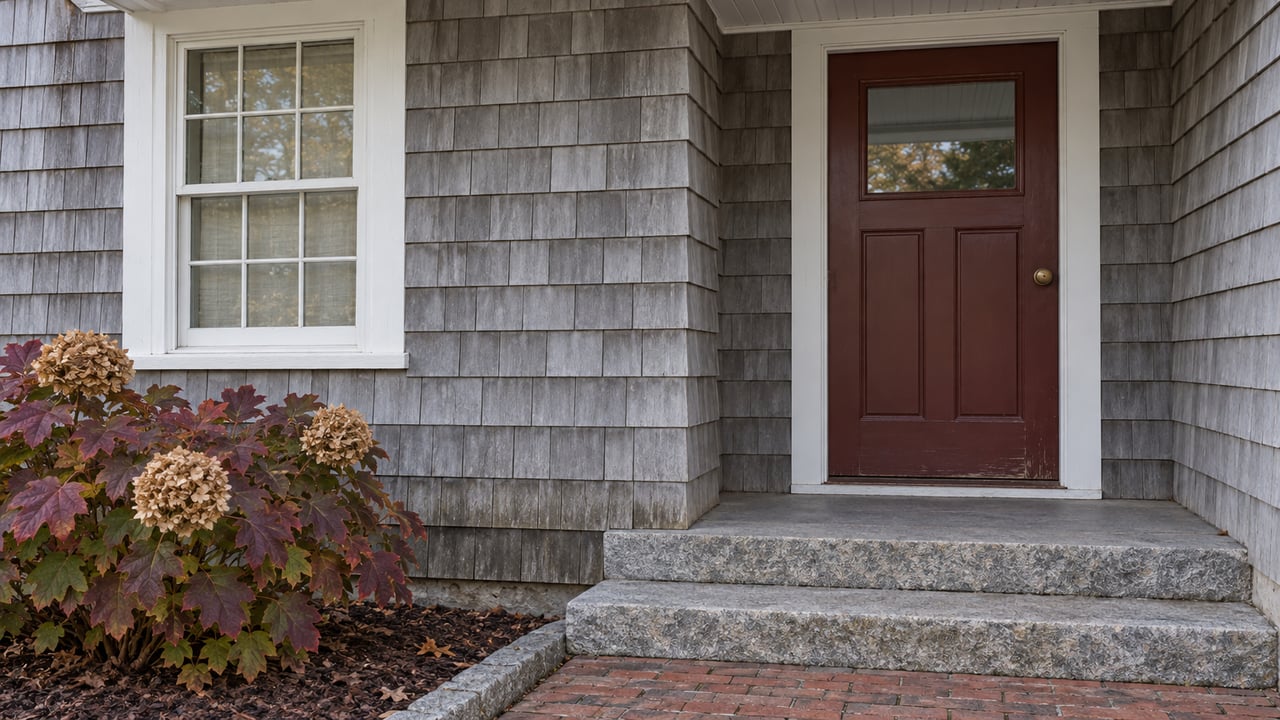
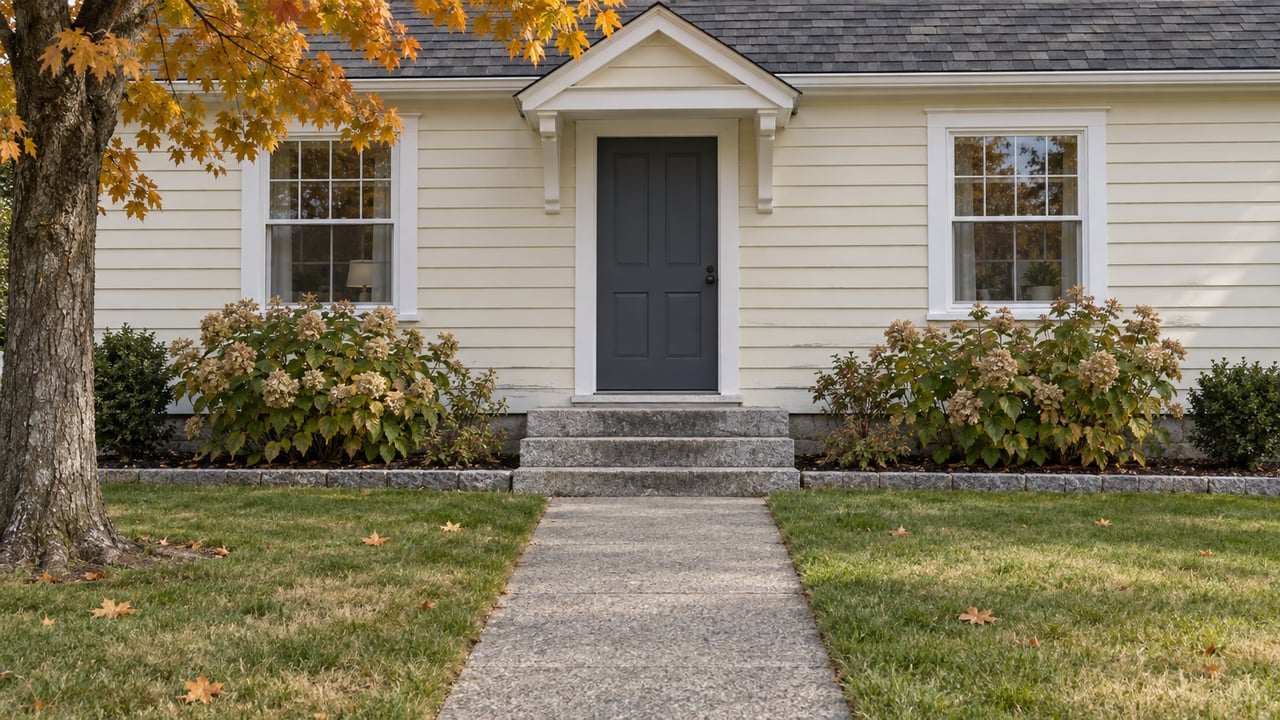
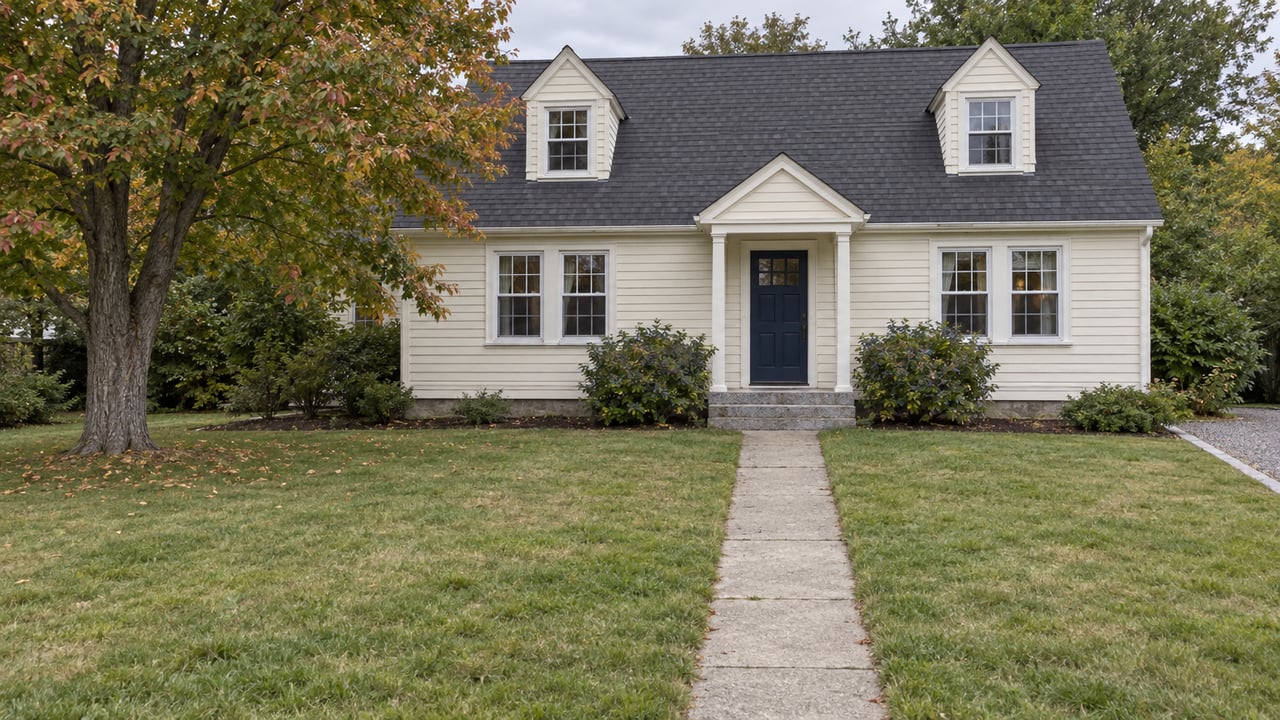
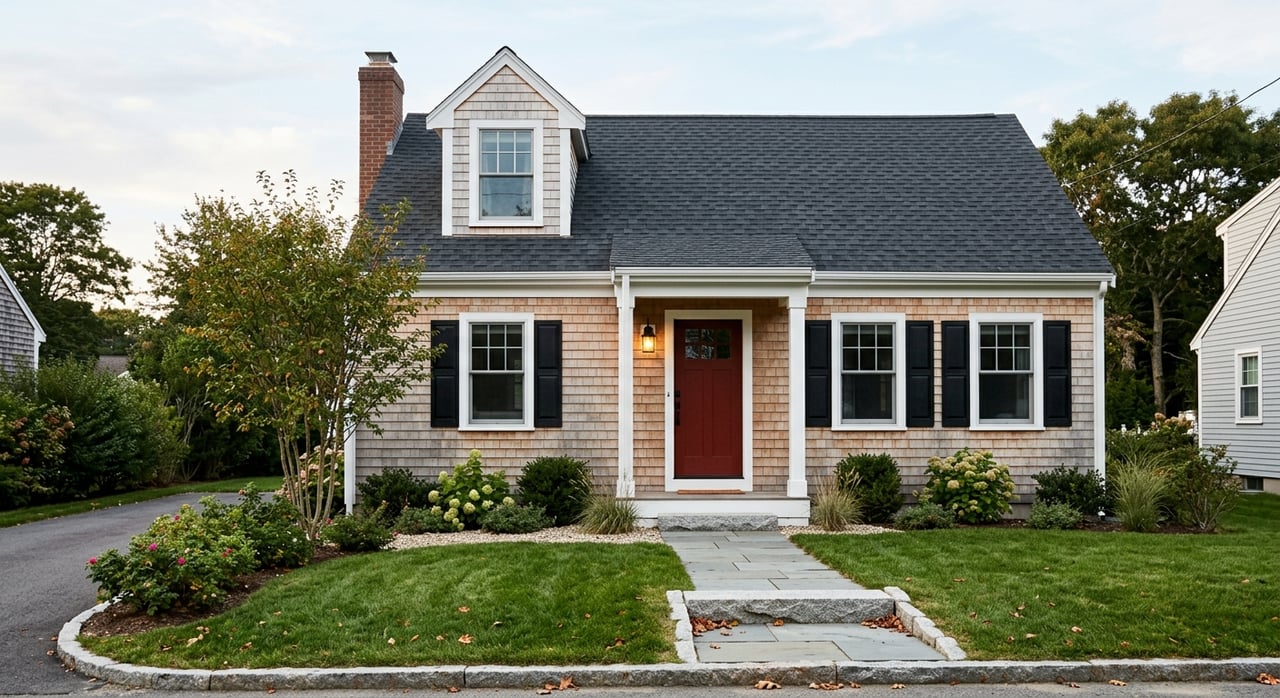
Taken together, these details suggest that buyers near the beaches are likely to encounter a more layered housing mix. You may see older coastal homes, cottages, and smaller neighborhood properties rather than a large supply of newer master-planned development.
What Buyers Should Expect on Pricing
It is important to go into a Scarborough beach-area home search with realistic expectations. Scarborough is a premium ownership market by Maine standards, and that tends to shape what buyers find near the water.
The U.S. Census Bureau QuickFacts page reports an owner-occupied housing rate of 77.4% in Scarborough, along with a median owner-occupied home value of $551,900. For context, the statewide median owner-occupied home value in Maine is listed at $296,600.
That does not tell you the exact price of a home in Higgins Beach, Pine Point, or another coastal area. It does, however, support the bigger takeaway that Scarborough sits in a higher-value price band, especially when you start looking at beach-adjacent neighborhoods.
Tradeoffs to Think Through
Coastal living in Scarborough can be incredibly appealing, but it works best when you understand the tradeoffs upfront. This is not a market where you want to focus only on the postcard version of beach life.
Some of the biggest factors to plan around include:
- Seasonal parking management
- Beach access rules and hours
- Wildlife protections along the shoreline
- Separate access systems for town beaches and Scarborough Beach State Park
- Older and more varied housing stock near the coast
The town also participates in the Maine Healthy Coastal Beaches Program, with weekly water sampling to monitor potentially hazardous conditions. In addition, Scarborough notes that endangered piping plovers nest on local beaches each summer, which means some areas can be affected by conservation measures and seasonal awareness.
Everyday Amenities Beyond the Shore
A big reason people choose Scarborough is that beach life here is balanced by practical town infrastructure. You are not just buying access to sand and water. You are also buying into a lived-in community with services and routines that support year-round life.
Scarborough says the town has six public schools, and the middle school, high school, and library are located close together on the school and municipal campus. The public library also functions as a community resource hub, which reinforces the town-centered feel.
Community Services adds to that day-to-day structure with year-round programming, including open skating at municipal ponds in winter and summer camp for grades K through 6. For many buyers, that balance of coastal access and regular town amenities is what makes Scarborough feel sustainable beyond peak beach season.
Is Scarborough Right for Your Lifestyle?
If you want a beach town that feels active, residential, and connected to nature, Scarborough offers a compelling mix. You can find shoreline access, marsh trails, paddling opportunities, and distinct neighborhood character, all within a town that supports everyday routines.
At the same time, this is not the right fit for every buyer. If you want a low-cost coastal market, easy peak-season parking, or a highly uniform housing stock, Scarborough may feel more complex than expected. The best decision usually comes from matching the neighborhood and beach area to the way you actually plan to live.
If you are weighing Scarborough against other Southern Maine locations, it helps to talk through your priorities clearly. A calm, informed plan can make it much easier to focus on the beach areas and housing options that truly fit your goals.
If you are thinking about buying or selling near the coast in Southern Maine, Michael Mahoney can help you sort through the tradeoffs, understand the local market, and move forward with clear guidance.
FAQs
What is it like living near the beaches in Scarborough, Maine?
- Living near the beaches in Scarborough often feels residential and neighborhood-based, with access to shoreline, marshland, trails, and town amenities rather than a single resort-style beach district.
Which beaches are in Scarborough, Maine?
- Scarborough identifies four beaches: Higgins Beach, Pine Point, Ferry Beach, and Scarborough Beach State Park.
Does a Scarborough town beach pass cover Scarborough Beach State Park?
- No. The town beach pass covers the three town-operated beaches, but not Scarborough Beach State Park.
What is different about Higgins Beach in Scarborough, Maine?
- Higgins Beach is known for its older residential character, sandy shoreline, and very limited parking, with one-hour metered parking along Bayview Avenue during summer.
What is different about Pine Point in Scarborough, Maine?
- Pine Point combines a long sandy beach with a working-waterfront setting connected to Pine Point Harbor and the Scarborough River.
What is Scarborough Marsh and why does it matter for residents?
- Scarborough Marsh is central to the town’s identity and is described as Maine’s largest salt marsh, offering walking, canoeing, kayaking, and wildlife-focused outdoor access.
Are Scarborough beaches managed during the summer season?
- Yes. The town manages beach parking, seasonal access, restroom hours, and conservation-related rules during the beach season.
Is housing near the beaches in Scarborough, Maine mostly new construction?
- Not typically. The area is better understood as having layered housing stock, including older coastal homes, cottages, and small-scale neighborhood properties.